
Brunello di Montalcino starts with Sangiovese
Brunello di Montalcino is a Sangiovese wine with DOCG status, rooted in the countryside around the Tuscan hill town south of Siena. A Montalcino winery visit connects the name on the label with vineyards, cellars and the work of ageing wine. Choose a visit for the part of that process you want to understand, rather than treating every tasting as the same experience.
Rosso di Montalcino is also made from Sangiovese, with DOC status and different release rules. Brunello is the traditional local name for Sangiovese in this context, not an additional grape blended into the wine. Wine tastings are for adults aged 18 and over. A cellar visit can introduce the distinctions without requiring you to arrive with specialist knowledge or a list of bottles to buy.
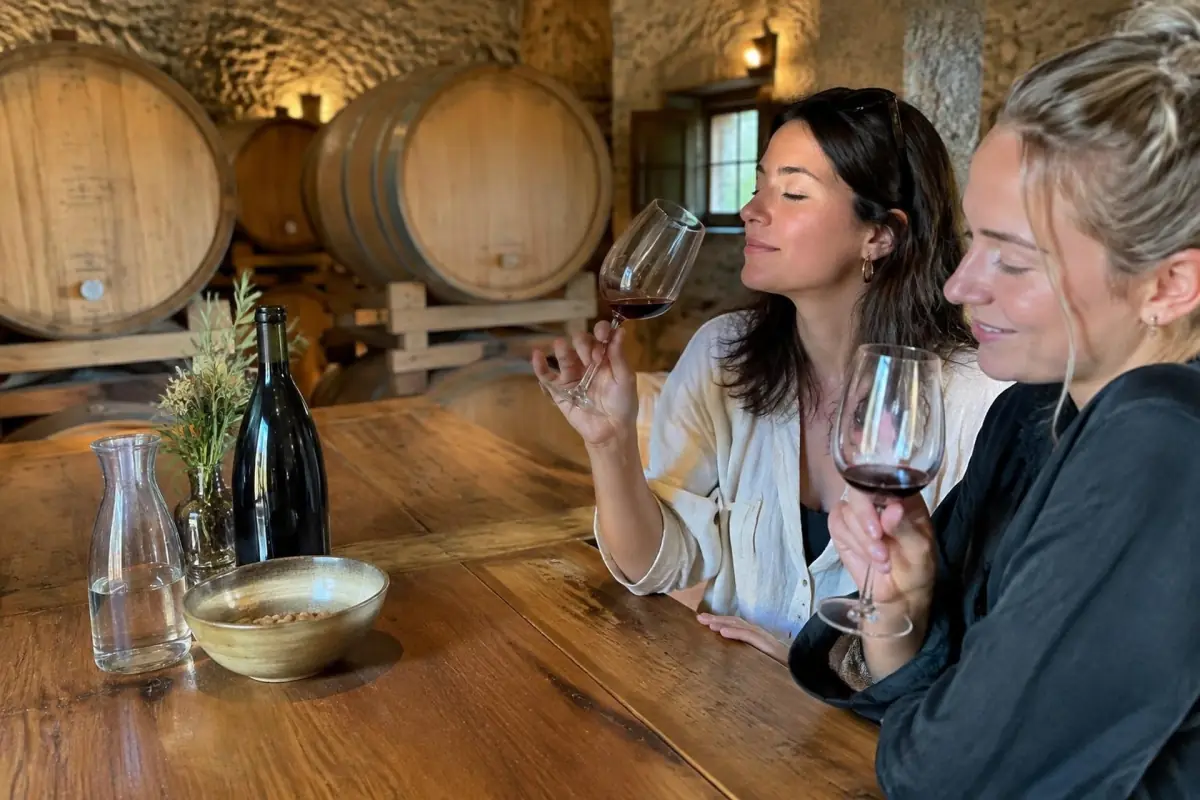
Our picks: winery visits
Our take: Visit a local cellar if you are travelling independently, or choose a barrel tasting with bread and olive oil. The two-winery day includes a pairing lunch and transport from an agreed meeting point.
Hand-picked tours, booked through GetYourGuide and Viator. Prices are indicative starting prices in euros (as of November 2026). Tap a tour for live availability and the current price in your currency.
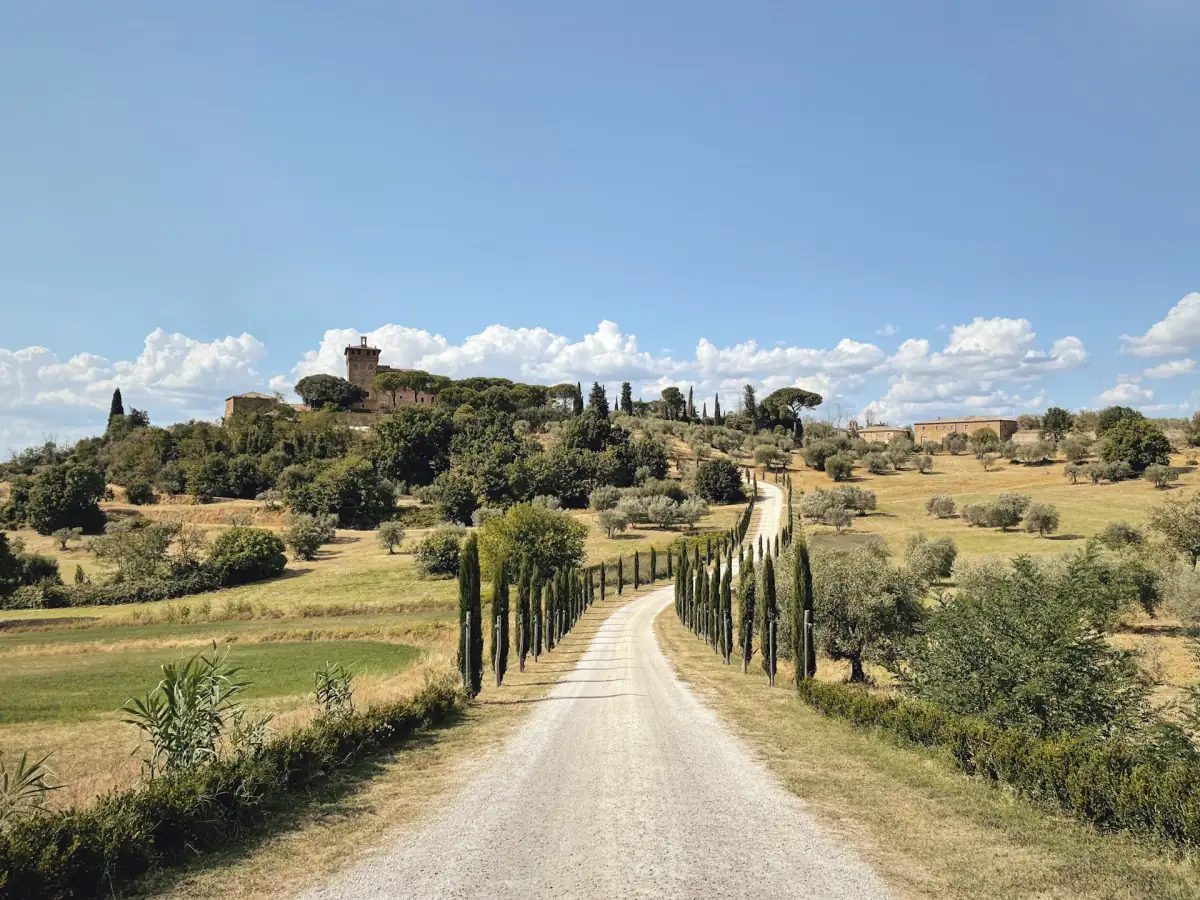
Two Brunello wineries with pairing lunch
- Visit 2 Boutique Brunello wineries
- Pairing lunch at a historic winery
- Air-conditioned vehicle
Pickup and return are at the designated meeting point; confirm its location before booking. An English-speaking driver-guide accompanies the day.
Check availability →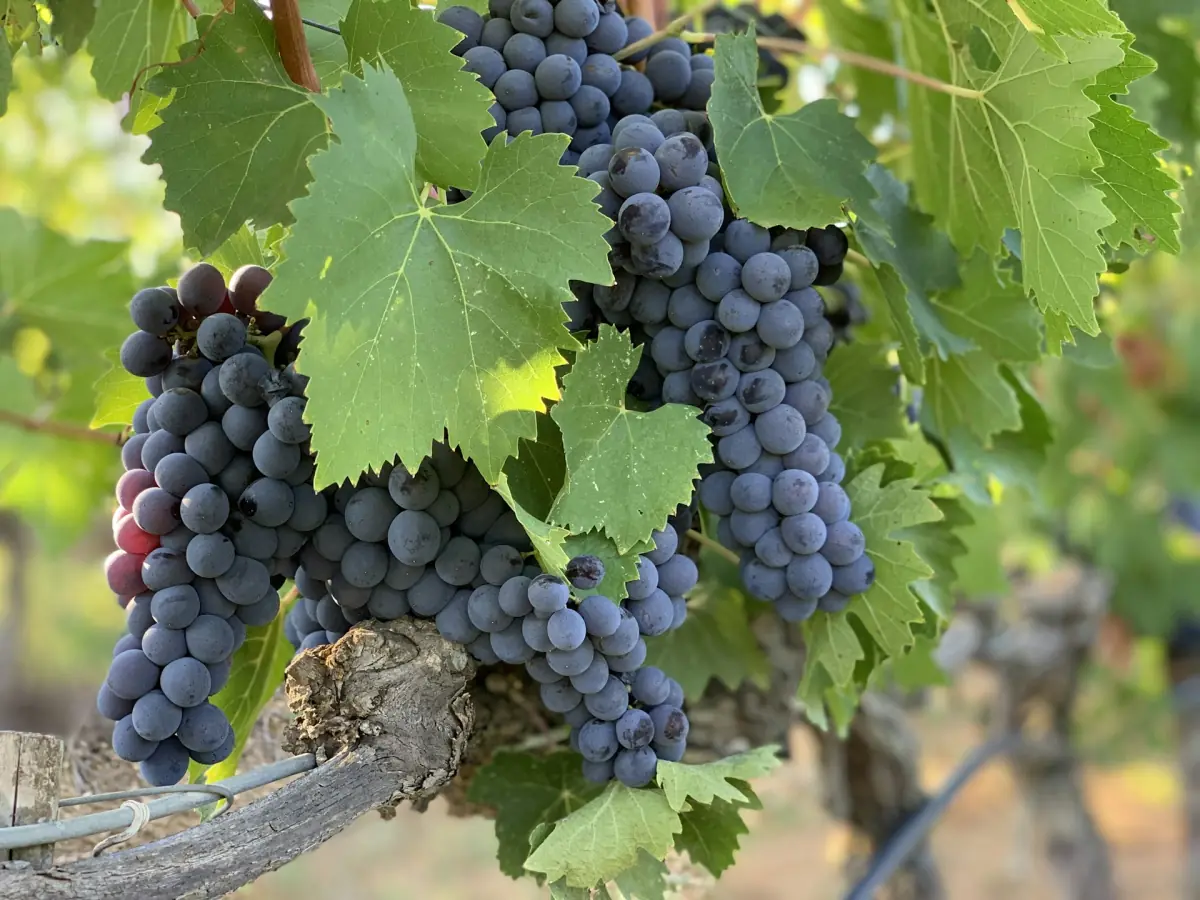
Vaulted cellar visit and wine tasting
- Winery visit
- Tour of the vaulted wine cellar
- Wine tasting
Water is included during this local visit. Make your own way to the winery.
Check availability →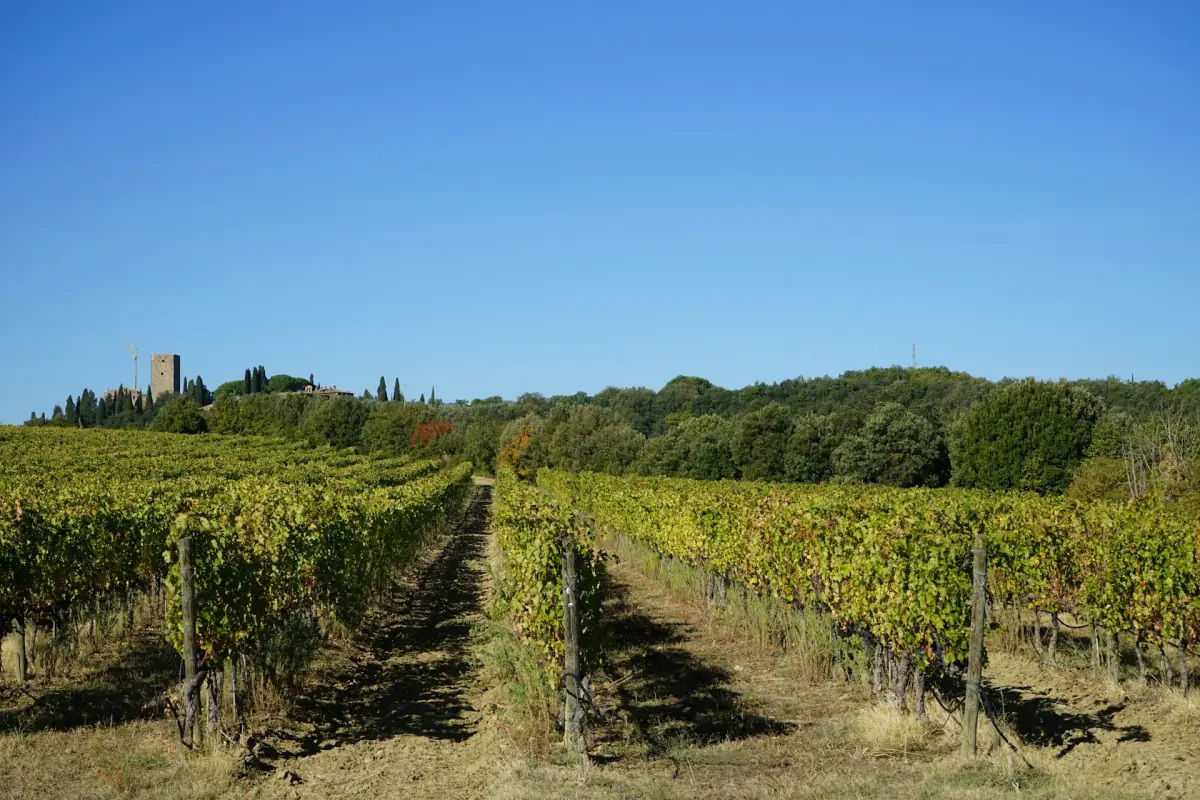
Winery visit with bread and olive oil
- Winery tour
- Wine tasting experience
- Tasting directly from the barrel
Warm homemade bread and Tuscan olive oil accompany the visit. Make your own way to the meeting point.
Check availability →Visit Brunello wineries and cellars
Explore a vaulted cellar, taste directly from a barrel or visit two Brunello wineries with a pairing lunch and driver-guide.
Sangiovese and its place of origin
Montalcino’s wine landscape combines vineyards with woodland, olive groves and farmland, with differing heights and exposures creating different microclimates. The production area is described through historic municipal boundaries and the Ombrone, Asso and Orcia rivers. A present-day municipal address alone is therefore a poor way to interpret the extent of a wine designation. Keep the wine’s origin distinct from the broader administrative name.
The cellar is a useful place to connect those landscape differences with the visit itself. A guided walk through a vaulted wine cellar focuses attention on the working setting, while a barrel tasting adds direct contact with a stage before the finished bottle. Neither format needs to become a bottle ranking. For visitors who want town sights as well as wine, the old-town and fortress guide keeps the separate visits clear.
Brunello and Rosso di Montalcino
Brunello di Montalcino DOCG and Rosso di Montalcino DOC share Sangiovese but follow different ageing and release schedules. Rosso can be released from 1 September of the year after harvest and has no prescribed minimum time in wood. Brunello’s earliest release comes later, after the separate requirements for ageing and the calendar have been met. The designation tells you about production rules rather than a personal verdict on flavour.
Rosso is worth understanding alongside Brunello even when your chosen visit centres on Brunello. Ask about the distinction as part of learning the region’s wines, while keeping the specific tasting selection tied to the experience you book. The barrel-tasting visit and the vaulted-cellar visit each include a wine tasting; choose them for their stated format rather than expecting an identical sequence of labels.
Ageing, release and Brunello Riserva
Brunello requires at least 2 years in oak and 4 months in bottle; Riserva requires at least 6 months in bottle. Those are ageing periods, distinct from the earliest market-release date. Regular Brunello may be released from 1 January of the fifth year following the harvest, while Riserva waits until the sixth year following the harvest. Keep both ideas in view when a cellar guide describes the wine’s development.
Brunello’s time in oak is therefore only part of the explanation of when it reaches the market. A cellar visit can make the difference between barrel ageing and bottle ageing easier to follow, especially when you can relate the discussion to the storage space. These rules are a framework for understanding the wines, not a promise that any particular vintage or Riserva will appear in your tasting.
Reserve a cellar visit in Montalcino
The 105-minute winery visit includes a tour of a vaulted wine cellar, wine tasting and water, beginning at the winery’s own meeting point near Montalcino. The 1.5-hour alternative includes a winery tour, tasting directly from the barrel and warm homemade bread with Tuscan olive oil. Hotel pickup is excluded from the barrel visit. For a focused cellar introduction, choose the vaulted-cellar visit; for direct barrel tasting, choose the visit with bread and olive oil.
The two-winery Brunello experience includes visits to two boutique wineries and a pairing lunch at a historic winery. An English-speaking driver-guide, air-conditioned vehicle, bottled water and collection and return at a designated meeting point are included. Use the meeting information supplied with that experience to arrange your arrival. Keep the tasting-and-lunch programme separate from assumptions about a hotel or airport collection.
Montalcino winery visits need an itinerary that accounts for the actual cellar location. Keep your reservation, meeting point and onward travel together, particularly if staying in the old town. The arrival guide explains independent transport, while accommodation locations help you judge the relationship between your base and a winery appointment. For excursions beginning in Siena or Florence, use the wine-tour comparison.
Questions about Brunello and winery visits
Are Brunello and Rosso made from the same grape?
Yes, Brunello di Montalcino and Rosso di Montalcino are both made from Sangiovese. Brunello carries DOCG status and Rosso DOC status, with different ageing and release requirements. Understanding that shared grape helps you approach a cellar visit without mistaking Brunello for an extra variety added to the wine.
How long does Brunello spend in oak?
2 years in oak is the minimum for Brunello di Montalcino, alongside at least 4 months in bottle. Riserva requires at least 6 months in bottle. The earliest market release follows a separate calendar rule, so the oak period alone does not describe the full wait before sale.
Which visit includes a meal?
The two-winery Brunello experience includes a pairing lunch at a historic winery, alongside an English-speaking driver-guide and transport from a designated meeting point. The barrel-tasting visit instead provides warm bread and olive oil. The vaulted-cellar visit includes tasting and water, so plan a separate meal around that appointment.